


Japanese Pokémon cards have been the quality standard of the hobby for years. Better printing, more vivid colors, sharper textures on the rare cards and centering that Western collectors can only envy. On top of that, a Japanese pack costs a fraction of an English or Spanish one.
But if you've never tried to buy Japanese Pokémon cards, it can feel like a world of its own: different set names, rarities that don't exist in the West, different product formats and the obvious language barrier. This guide explains everything you need to buy with confidence from Europe, without international middlemen and without waiting weeks.
Why Japanese cards are different
Japanese cards have tangible differences that make them appealing even to collectors who don't read Japanese:
Better print quality
Japanese cards are printed in Japan with stricter quality control. You get more saturated colors, crisper lines and near-perfect centering on every card. Western cards are printed at other plants, with more variation.
Exclusive textures
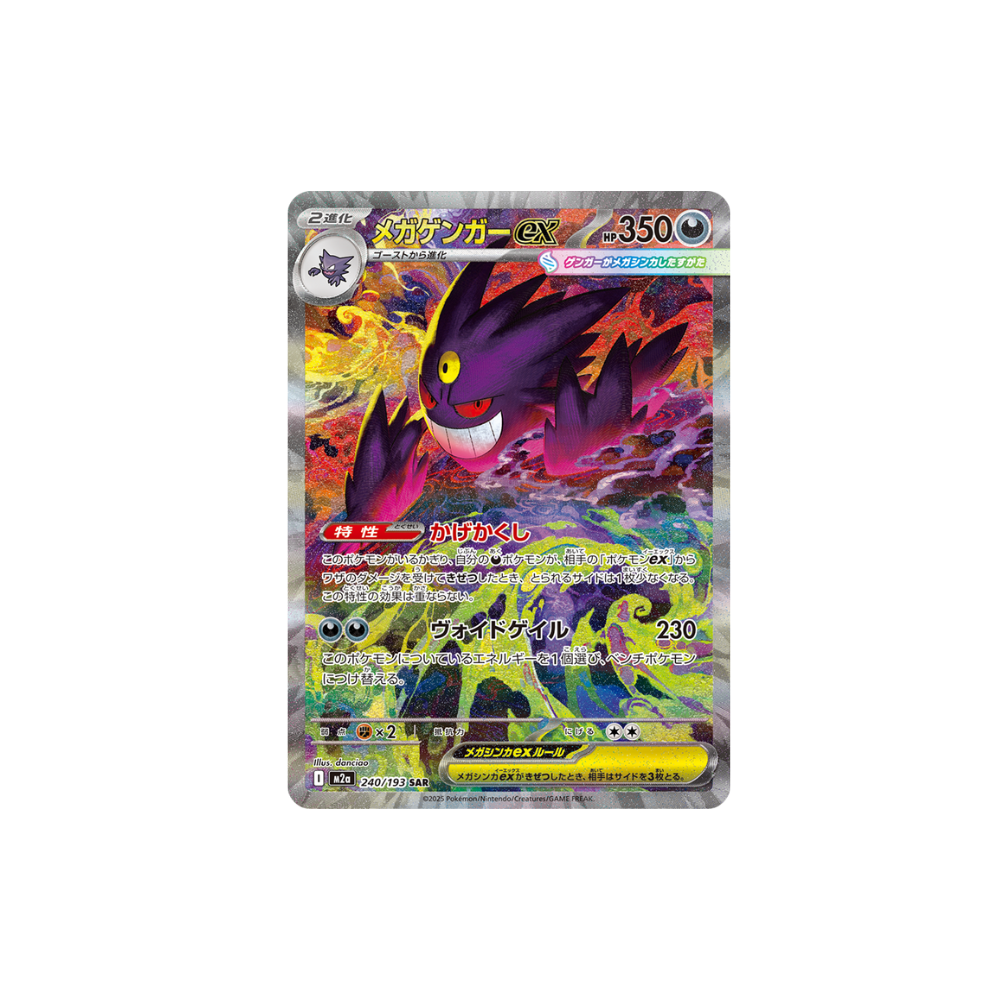
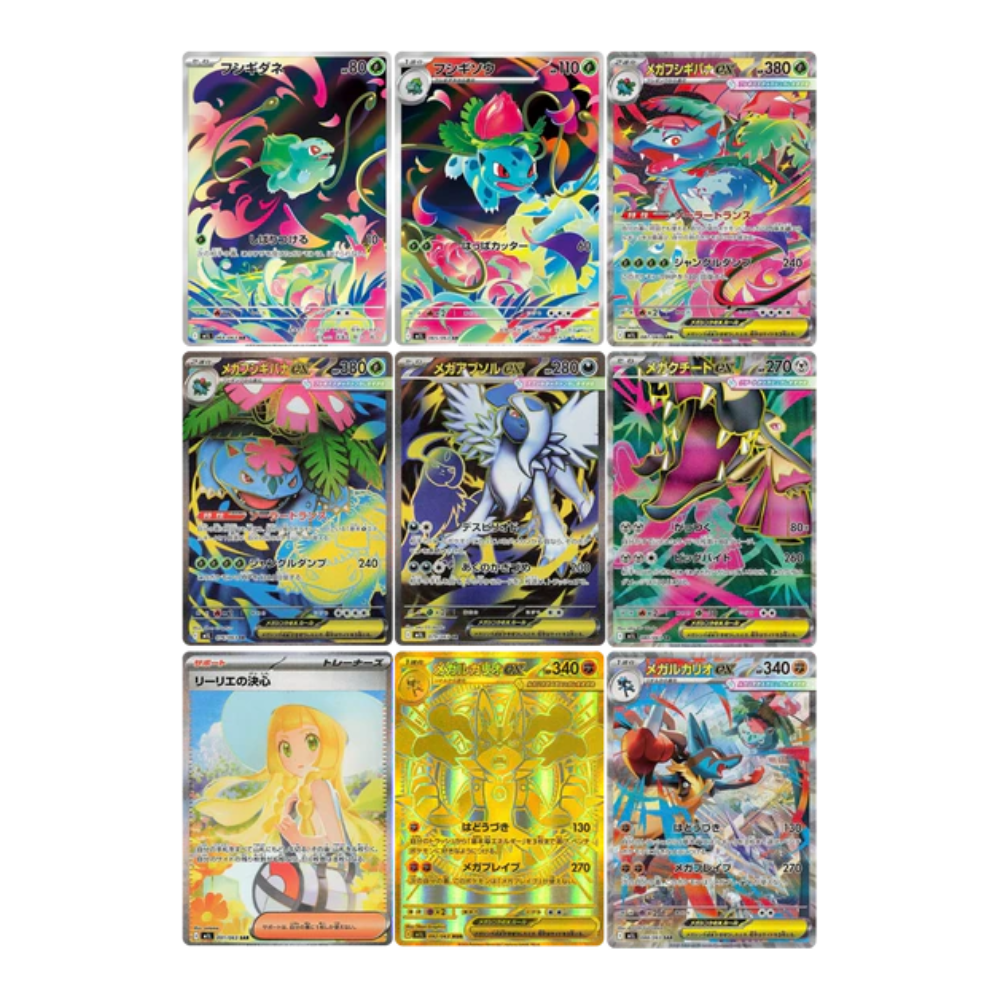
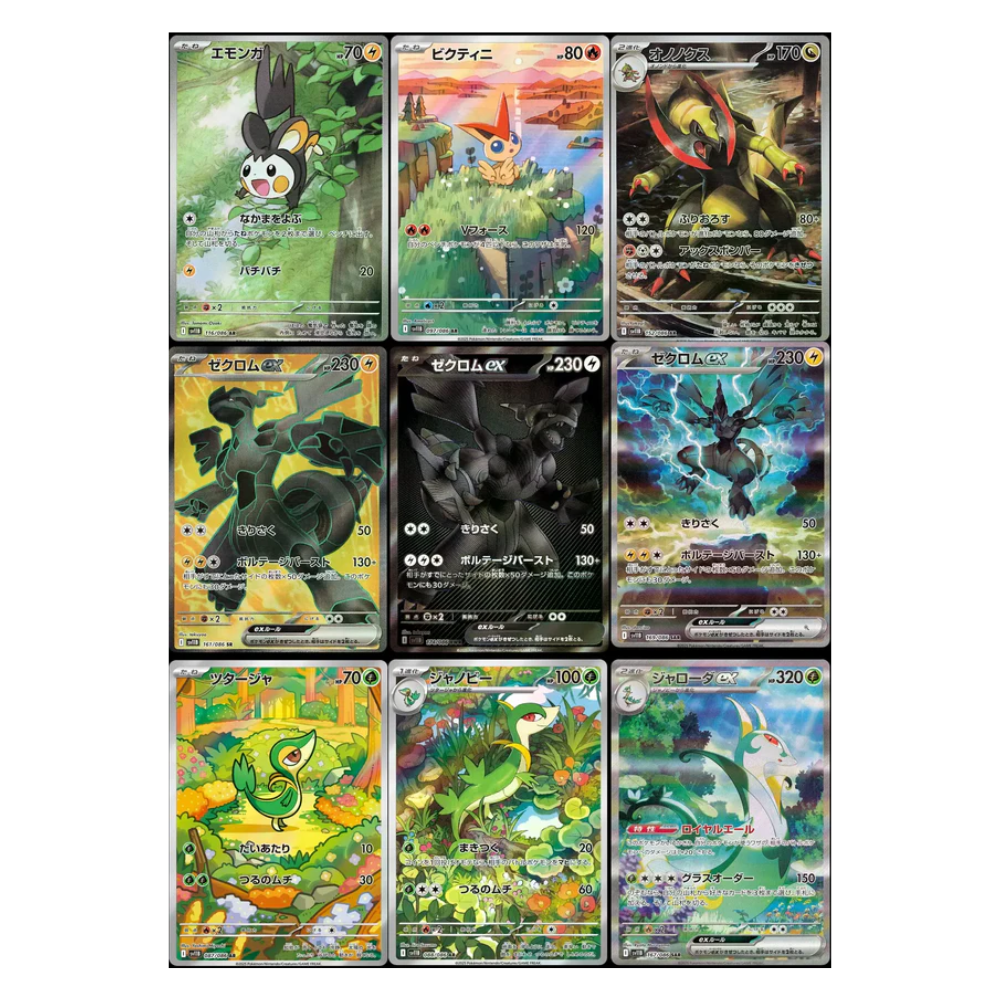
High-rarity Japanese cards (SAR, Art Rare) have embossed textures you can feel with your finger. These textures are deeper and more consistent than on the Western versions of the same art.
Cards that don't exist in other languages
Some Japanese sets include promos, Art Rares or variants that are never translated. High Class Packs and special sets often have exclusive cards that don't appear in any Western set.
Unbeatable price per pack
A Japanese booster pack costs much less than an English or Spanish one, so the same budget opens a lot more packs.

The same illustration can look very different between the Japanese version (left) and the Western one (right)
Types of Japanese product
The Japanese market has product formats that don't exist in the West. These are the main ones:
Booster Box (regular booster box)
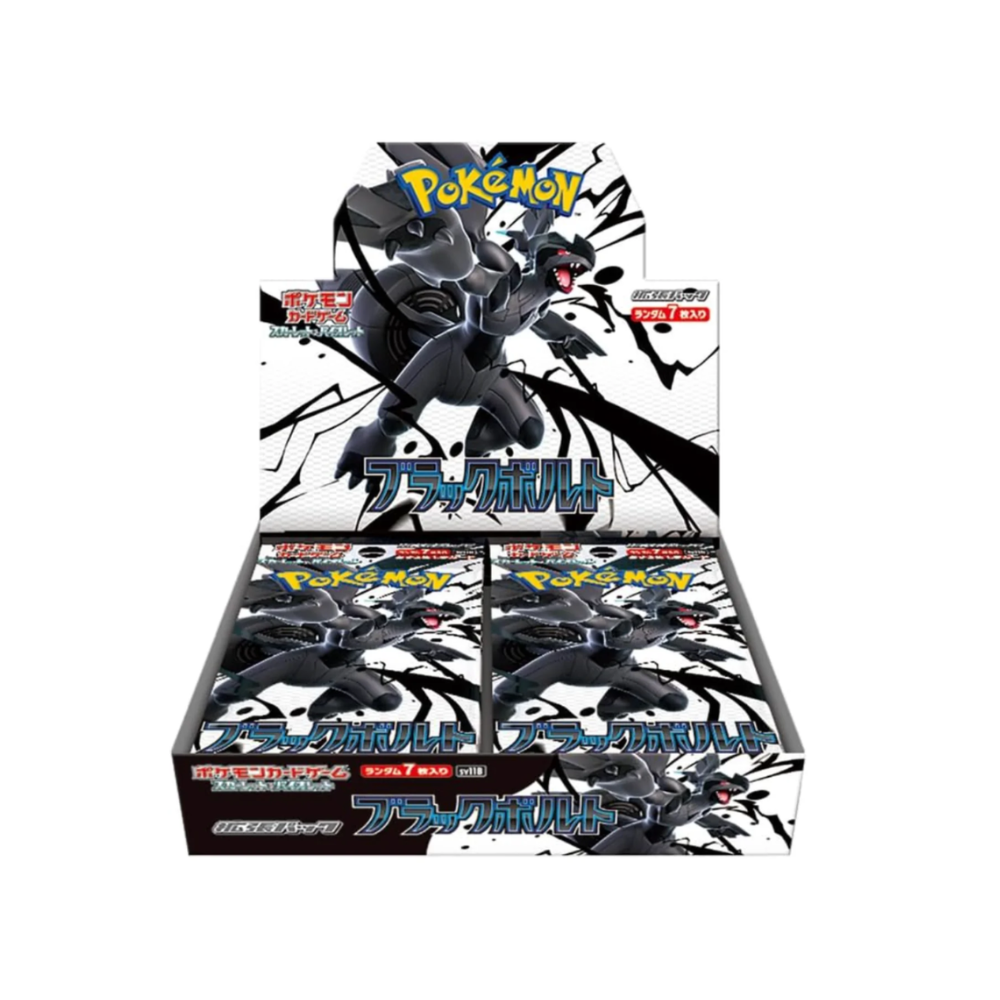
The standard format. Each box holds 30 packs of 5 cards. It's the equivalent of the Western booster box (36 packs of 10), with smaller packs and a much lower price. A box usually has several Art Rares and Double Rares. SARs and MURs (Gold) are rarer and not guaranteed in every box. It's the format we recommend for most collectors.
High Class Pack
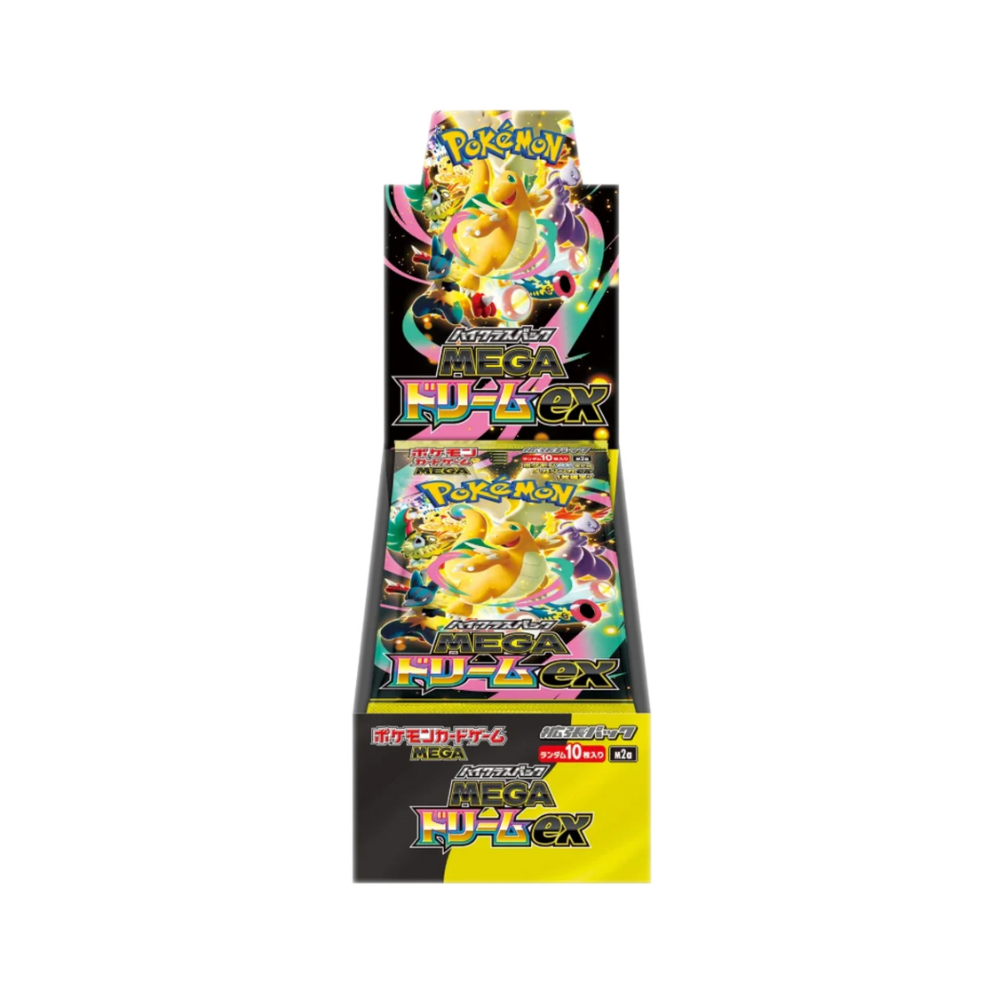
Premium sets that come out once or twice a year. They have higher hit rates than regular sets, usually include reprints of popular cards from earlier sets and often have exclusive cards. Packs cost more, but so does the average quality of what you pull. Examples: VSTAR Universe, Shiny Treasure ex, Terastal Festival ex and Mega Dream ex.
Special Set / Starter Set
Themed products that can include pre-built decks, collection sets or special boxes. Some come with exclusive promos that collectors want badly. They're not the best format to open in bulk, but they can hold unique pieces.
Gym / Promo Packs
Promo packs handed out at events, card shops or as purchase bonuses in Japan. Some of these promos are extremely hard to get outside Japan and sell high on the secondary market.
Japanese packs have 5 cards against the 10 in Western ones. But the price is much lower. In rare cards per euro spent, Japanese product still comes out ahead, because hit rates per box are comparable.
Japanese booster boxes, single packs and special sets.
See Japanese productThe Japanese rarity system
The Japanese rarity system is different from the Western one and has more tiers. Understanding it is key to knowing what you're looking for when you open packs:
| Rarity | Code | What it is | Approx. frequency |
|---|---|---|---|
| Common | C | Basic cards, no special texture | Several per pack |
| Uncommon | U | A bit rarer than commons | 1-2 per pack |
| Rare | R | Standard rare card, holo or not | ~1 per pack |
| Double Rare | RR | Pokémon ex with extended art | ~4 per box |
| Art Rare | AR | Special full-card illustration (the equivalent of the Western Illustration Rare) | ~3 per box |
| Super Rare | SR | Full Art version of a Pokémon or Trainer | ~1 every 2-3 boxes |
| Special Art Rare | SAR | The gem: a unique artist illustration with premium texture | ~1 every 3-5 boxes |
| Mega Ultra Rare | MUR | Gold version, the rarest card in the set | ~1 every 10-18 boxes |
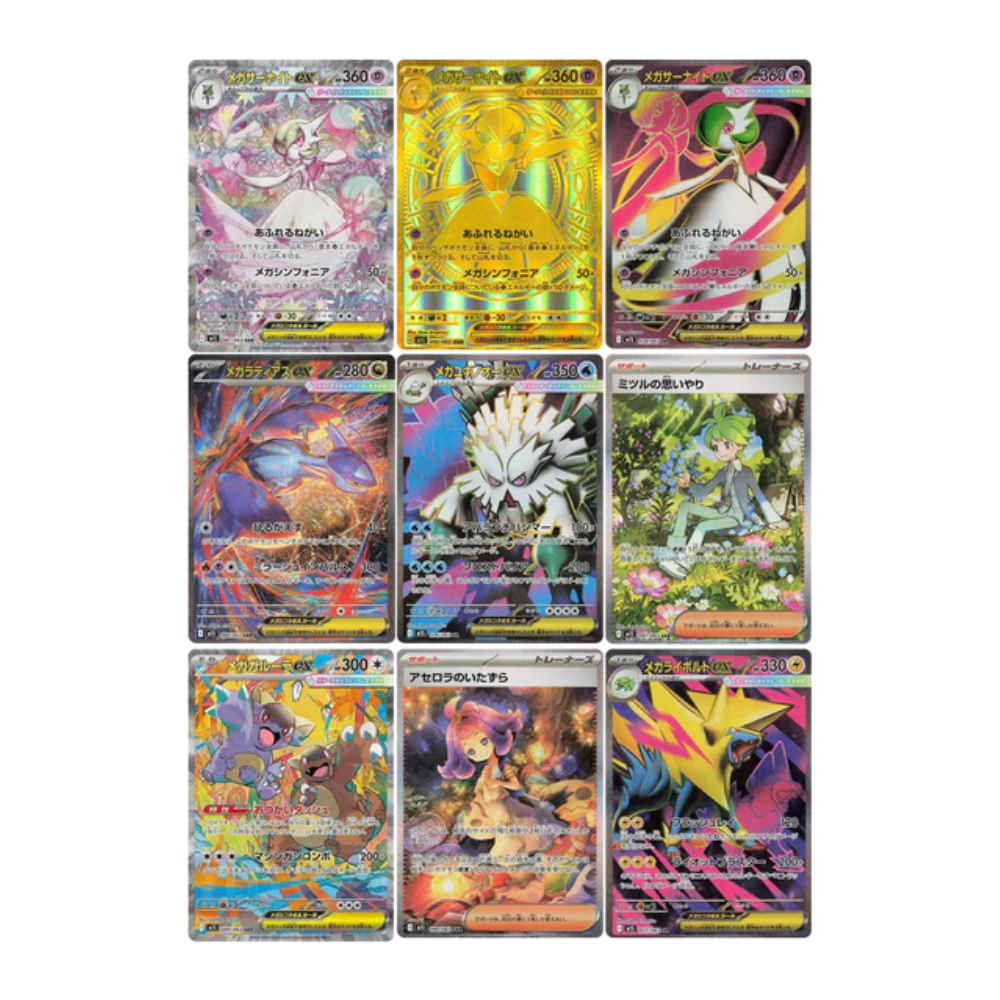
The rarity collectors value most is the SAR (Special Art Rare). These cards have unique illustrations commissioned from specific artists, with embossed textures and a finish that makes them miniature works of art. MURs (Gold) are the hardest to pull, but not always the best looking.


Recommended Japanese sets from the MEGA era
The MEGA series (based on Pokémon Legends: Z-A) is the current era of the Japanese TCG. These are the sets we recommend, sorted by value for money:
| Set | Code | Cards | Headline card | Booster box price |
|---|---|---|---|---|
| Ninja Spinner | M4 | 83 + SR | Mega Greninja ex Gold (MUR) | See price |
| Nihil Zero | M3 | 80 + SR | Mega Zygarde ex MUR | See price |
| MEGA Dream ex | M2a | 193 + SR | Mega Dragonite ex MUR, Pikachu ex SAR | See price |
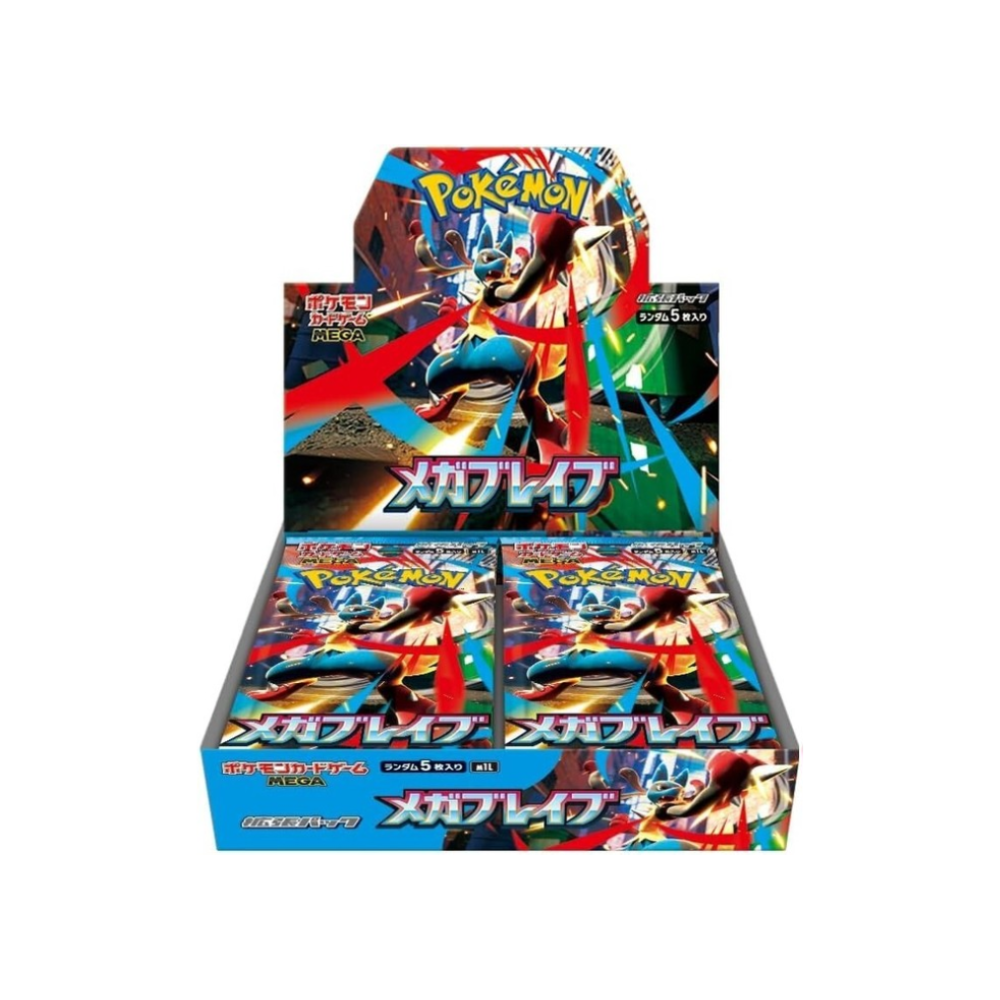
| Mega Brave | M1L | 63 + SR | Mega Lucario ex MUR | See price |
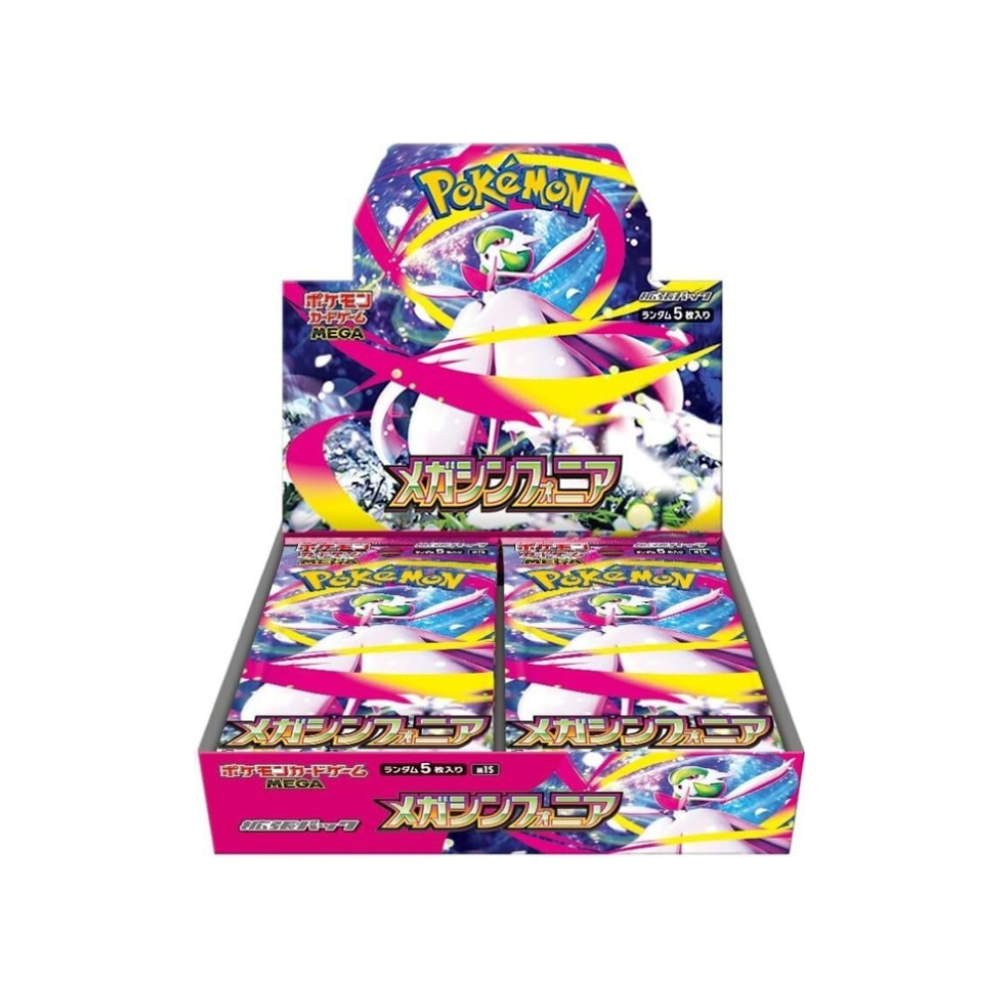
| Mega Symphonia | M1S | 63 + SR | Mega Gardevoir ex SAR | See price |
If it's your first Japanese purchase, Mega Brave or Mega Symphonia are good entry points: low box prices, popular cards and a solid introduction to the Japanese format. If you want the most sought-after set of the list, Ninja Spinner is the safe bet.
We have detailed guides for each one: Ninja Spinner, Perfect Order, Nihil Zero, Mega Brave vs Mega Symphonia.
We import these sets directly from Japan.
See Japanese setsPrice comparison: Japan vs the West
This table compares what it really costs to open Japanese product versus Western product for the same set (or its equivalent):
| Item | Japanese | English / Spanish |
|---|---|---|
| Booster box price | See current prices | See current prices |
| Packs per box | 10-30 (varies by set) | 36 |
| Cards per pack | 5 | 10 |
| Total cards per box (30 packs) | 150 | 360 |
| SARs/SRs per box | ~1 | ~1-2 |
| Art Rares per box | ~3 | ~3-4 |
In general, a Japanese pack costs less than a Western one, so the same budget opens more packs in Japanese. If what you enjoy is opening, the Japanese format goes further. Check the current prices in the store to compare.
How to buy Japanese cards from Europe
Buying Japanese product from Europe used to mean using Japanese proxy services, paying for expensive international shipping and waiting 2-3 weeks. That's no longer necessary.
Buy from a specialist European store
The easiest option. At Metamorph Center we import directly from Japanese distributors and ship from Spain. That means:
Fast shipping
Ships from Spain. 24 - 72 h within Spain, 3 - 8 business days to the rest of Europe. No waiting weeks for a parcel from Japan.
No customs, no surprises
The product is already inside the EU. For buyers in the EU there are no extra import costs, VAT or customs fees.
Guaranteed authenticity
All our product is 100% original, factory sealed. We import from official Japanese distributors, not from third parties.
Direct support
If you have any question or problem, write to us on WhatsApp or by email and we'll answer.
Buying directly from Japan
If you'd rather do it yourself, the main options are Japanese online stores that ship internationally (Yahoo Auctions Japan through proxies like Buyee or Zenmarket, Amazon Japan, or specialist stores like Meccha Japan). Keep in mind:
International shipping: 15-30 EUR per box. EU import VAT at your country's rate (21% in Spain) on the declared value + shipping. Customs clearance fee: 3-5 EUR extra. Shipping time: 10-21 days. Total extra: easily 25-50 EUR per order, which wipes out much of the savings. Returns are also close to impossible.
For most buyers in the EU, buying from a specialist European store is cheaper overall and much more convenient. Japanese proxies are only worth it if you're after very specific product that isn't imported to Europe (event promos, high-end singles, etc.).
Japanese product shipped from Spain. 24 - 72 h within Spain, 3 - 8 business days to the rest of Europe. No customs within the EU.
See the Japanese catalogHow to spot fakes
The Japanese card market has a real counterfeit problem, especially on peer-to-peer marketplaces. These are the key points to check authenticity:
The light test (Western cards only)
Western Pokémon cards (English, Spanish, etc.) have an opaque inner layer that blocks light. If you shine a flashlight behind the card and the light goes through, it's fake. Japanese cards use a different card stock, so don't rely on this test for them.
Rarity textures
Genuine Japanese Art Rares and SARs have embossed textures you can feel when you run your finger over them. Fakes are usually flat or have a printed texture you can't feel.
Text quality
On real cards, the Japanese characters are sharp and consistent. Fakes often have slightly blurry text, uneven stroke weight or badly formed characters.
The pack seal
Genuine Japanese packs have a clean, even heat seal. If the seal looks uneven, is glued with adhesive or the pack opens too easily, be suspicious.
The safest way to avoid fakes is to buy factory-sealed product from trusted distributors. Cards from genuine sealed packs are always real; the risk is in loose singles bought from strangers.
If you want to know what to open, take a look at our guide to the best Pokémon booster packs and ETBs in 2026. And if you're into recent Japanese sets, we have rankings of the most valuable cards from Glory of Team Rocket and Mega Dream ex.
FAQ
Can I use Japanese cards in official tournaments in Europe?
No. Official Play! Pokémon tournaments in Europe only allow cards in the languages authorized for the region, and Japanese isn't one of them. Japanese cards are for collecting, not for official competitive play. In casual tournaments and local leagues, many organizers do allow them, but check first.
Are Japanese cards in more demand than English ones among collectors?
It depends on the collector and on the card. Japanese SARs stand out for their print quality and textures, and they're in high demand. English Gold/UR cards are also very sought after and have a broad secondary market in Europe and the U.S. You can't say one is universally better than the other: each market has its audience.
How long does shipping take for Japanese product bought at Metamorph Center?
Ships from Spain. 24 - 72 h within Spain, 3 - 8 business days to the rest of Europe. The product is already in Europe, so there's no import wait.
Are there customs fees if I buy Japanese product from your store?
Not within the EU. All our product is already imported and inside the EU. For EU buyers, the price you see is the final price, with no extra customs costs, VAT or import fees.
How do I know the cards are original?
We import only from official Japanese distributors. Everything we sell is 100% original and factory sealed. If a product arrives damaged or you have any doubt about its authenticity, contact us and we'll sort it out.
What's the difference between Japanese and Korean cards?
They share the same illustrations and rarity system, but the print quality isn't identical. Japanese cards have better centering, more saturated colors and sharper textures on the rare cards. Korean cards are a step below on those details, although the difference is acceptable for many collectors given that they usually cost less. If you want to go deeper, we have a detailed comparison of Japanese vs Korean vs Chinese.
Japanese booster boxes, single packs and special sets. All original, factory sealed. Ships from Spain. 24 - 72 h within Spain, 3 - 8 business days to the rest of Europe.
See Japanese products

 JP